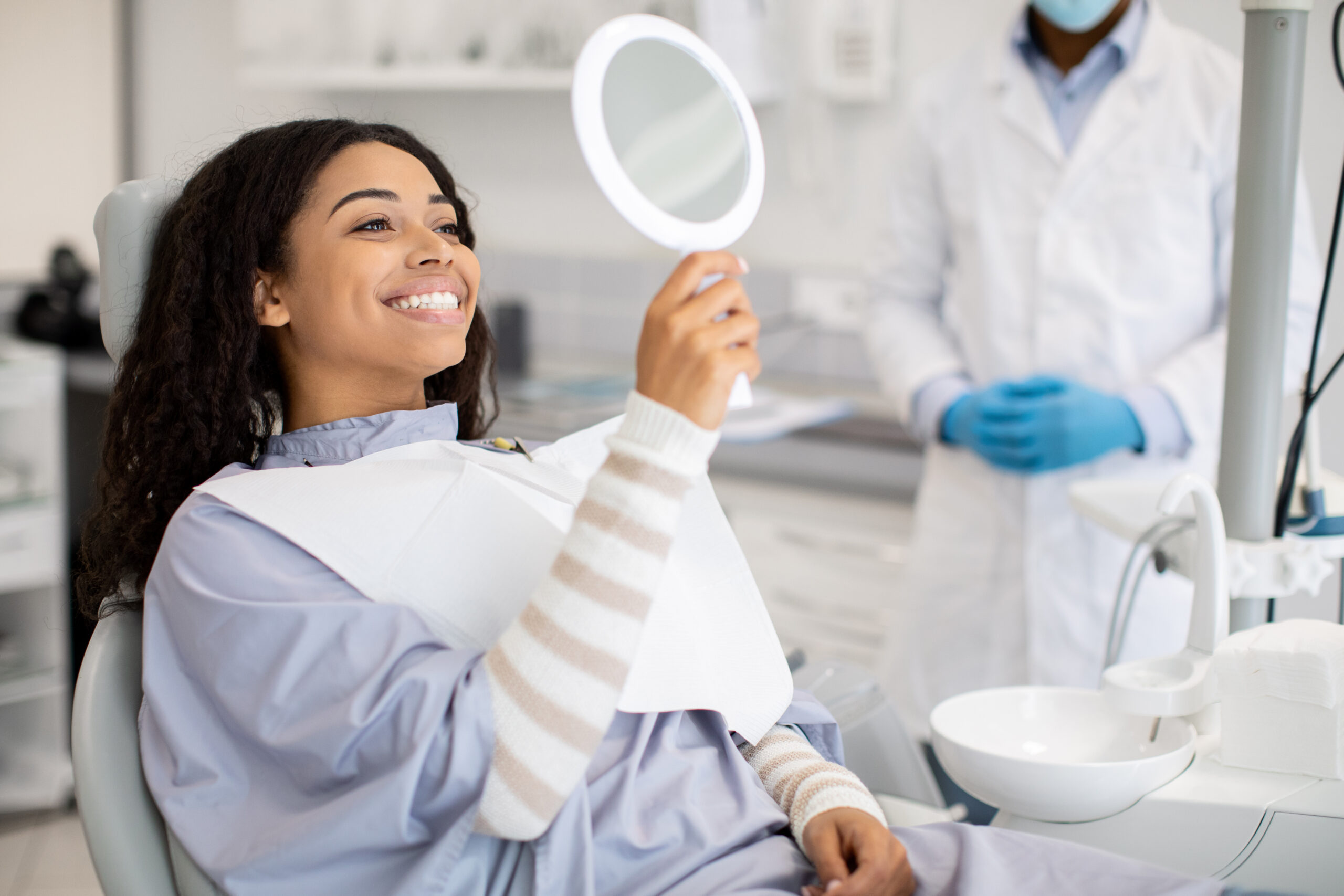
Your first orthodontic visit is a free consult where Dr. Amanda Gross reviews your smile, takes digital images, and discusses personalized treatment options. The visit typically lasts 30 to 60 minutes and includes an oral exam, imaging, and a clear conversation about next steps. No treatment is started at this appointment, so you can ask questions and explore options with zero pressure.
Walking into your first visit should feel reassuring, not nerve-wracking. We want you to feel informed and comfortable from the moment you walk through the door. Knowing what happens at your complimentary consultation makes it easier to say yes to the smile you’ve been thinking about.
What Is a First Orthodontic Visit?
A first orthodontic visit is a complimentary consultation designed to assess your smile, identify any alignment or bite concerns, and outline your treatment choices. Most visits take 30 to 60 minutes. During this time, Dr. Gross reviews your dental and medical history, performs an oral exam, captures digital images or X-rays, and walks you through a personalized treatment plan.
Nothing is started during this appointment. It’s purely diagnostic and educational. You’ll leave with a clear understanding of your options, the expected timeline, and the costs involved, no obligation required.
How Your First Appointment Works: Step by Step
Knowing the flow of your visit helps take the mystery out of the experience. Here’s exactly what happens when you arrive at our office.
Step 1: Welcome and History Review
Our team greets you, checks you in, and reviews your medical and dental history. Feel free to share any concerns, past orthodontic care, or goals you have for your smile. This is a relaxed conversation, and there are no wrong things to bring up.
Step 2: Oral Examination
Dr. Gross performs a careful exam of your teeth, jaw, and bite. She’s looking for crowding, spacing, bite misalignment, and how your jaw functions.
Step 3: Digital Imaging
We use modern technology, including intraoral scanning, 3D imaging, and CBCT assessment, to map your smile in detail. These images are quick, comfortable, and far more accurate than older methods.
Step 4: Discussion of Findings
Dr. Gross sits down with you to explain what she found. You’ll see your images, learn what’s happening with your bite, and hear which treatment options make the most sense for your case.
Step 5: Questions, Insurance, and Payment Overview
Ask anything that’s on your mind. Our team also reviews your insurance benefits and walks through flexible payment options so the financial side is just as clear as the clinical side.
Step 6: Scheduling Your Next Visit
If you’re ready to move forward, we schedule your next visit. Should you need time to think it over, that’s completely fine. We’re here when you’re ready.
Benefits of Scheduling Your First Visit Early
Booking a complimentary consultation sooner rather than later gives you more options and fewer surprises. Early evaluation can catch small issues before they grow into bigger ones.
- Spot issues early. Alignment and bite concerns often worsen over time. Catching them now means simpler, shorter treatment later.
- Get a personalized plan. Walk out with a clear treatment plan made just for you, not a generic recommendation.
- Know your numbers upfront. Understand timelines and costs before committing, with no hidden details.
- Ease your nerves. When you know what to expect, the whole experience feels less intimidating.
- No financial risk. Free consults mean exploring your options costs you nothing.
What Treatment Options Are Discussed at Your First Visit?
Dr. Gross will walk you through the choices that fit your smile, lifestyle, and budget. Here’s a quick look at the main options you might discuss.
Metal braces are durable, effective, and great for moving teeth in complex cases. Modern versions, including Empower self-ligating braces, are sleeker than ever.
Clear braces use tooth-colored brackets that blend with your enamel, giving you the strength of braces with a more subtle appearance.
Clear aligners, like Spark, Angel, and our in-house u-Lab aligners, are removable trays that are nearly invisible. They’re a popular pick for adults and teens who want flexibility.
Lingual braces go on the backs of your teeth, so no one sees them at all. They’re ideal if you want completely hidden orthodontic care.
Dr. Gross recommends options based on your exam, goals, and daily life, so you can find your perfect fit.
Cost Factors and What to Ask About Payment
Cost depends on a few key things: the treatment type you choose, how complex your case is, and how long you’ll be in care. The good news? Your first visit is free, so you can explore options without any financial commitment.
Here’s what to ask during your visit:
- Insurance coverage. Do you have orthodontic benefits, and how much do they cover?
- Payment plans. Are flexible monthly options available?
- Written estimate. Can you get a clear breakdown before you decide?
- What’s included. Are retainers, follow-up visits, and emergency care part of the quote?
- Family options or paid-in-full plans. Are there options for treating more than one family member?
Our team handles these conversations with care, so you walk away with a full picture of what’s involved before making any decisions. Understanding the numbers upfront removes one of the biggest sources of hesitation, and it lets you weigh your choices calmly rather than feeling rushed into anything.
Who Is a Good Candidate for Treatment?
Orthodontic care fits children, teens, and adults alike, not just teenagers. Straighter teeth and a healthier bite can benefit a wide range of ages and lifestyles. According to the American Association of Orthodontists, children should have a first evaluation around age 7 , when enough permanent teeth have come in for Dr. Gross to spot developing concerns.
Common signs you might benefit from care include:
- Crowded or crooked teeth
- Noticeable gaps
- Overbite, underbite, or crossbite
- Jaw discomfort or uneven wear
- Difficulty chewing or speaking clearly
Adults often prefer discreet options like clear aligners or lingual braces, while kids and teens may do well with metal braces or Empower self-ligating systems. Your first visit determines what’s right for you based on a full exam, not assumptions. Because every smile is different, two people with similar concerns may end up with very different plans, and that’s exactly why an in-person evaluation matters so much.
How Modern Technology Shapes Your Care
Today’s orthodontic care looks very different from what many adults remember from their own childhoods. Modern tools like intraoral scanning, 3D printing, CBCT assessment, and indirect bonding make the process more precise and far more comfortable.
Intraoral scanning replaces the messy putty impressions of the past with a quick digital scan, giving Dr. Gross a detailed model of your teeth in minutes. CBCT assessment captures a three-dimensional view of your jaw and roots, which helps with planning complex cases accurately. 3D printing allows for custom appliances and aligners that fit you specifically, while indirect bonding places brackets with greater accuracy and shorter chair time.
For you, this technology means fewer surprises, clearer expectations, and a smoother experience overall. Seeing your own scans on screen also makes it easier to understand your bite and why a particular plan is being recommended, so you can be an informed partner in your own care rather than a passive observer. Dr. Gross believes patients should be active players in their treatment, and clear, visual information is a big part of making that possible from the very first visit.
Frequently Asked Questions
How long does the first orthodontic visit take?
Most first visits take 30 to 60 minutes. That gives Dr. Gross enough time to review your history, perform a careful exam, capture imaging, and discuss your treatment options without rushing.
Is the first consultation free?
Yes! Your first visit is a free consult. There’s no cost and no obligation, so you can explore your options with confidence.
Will I get braces on my first visit?
No. The first visit is purely diagnostic and informational. Dr. Gross gathers all the details needed to recommend a personalized treatment plan, and you’ll schedule your braces or aligner placement at a future visit.
Should I bring anything?
Bring your insurance information, a list of any medications, and any prior dental records or X-rays if you have them. If you’re booking for your child, plan to be present so you can discuss findings together.
Does the exam hurt?
Not at all. The oral exam, digital scanning, and X-rays are completely comfortable. Most people are surprised by how quick and easy the whole visit feels.
Can adults still get orthodontic care?
Absolutely. Orthodontic care works at any age. Many adults choose clear aligners or lingual braces for a more discreet look, and Dr. Gross creates a treatment plan that fits your lifestyle.